

The Six Traditional Chinese Teas: A Journey Through History, Flavor, and Wellness

Tea is one of China’s greatest gifts to the world — a tradition that spans thousands of years, rich with artistry, philosophy, and wellness. Chinese tea culture categorizes tea into six main types, each with its own flavor profile, processing method, and cultural heritage. Let’s explore the journey of these six teas, from leaf to cup.
1. Green Tea (绿茶 | Lǜchá)

History & Characteristics
Green tea is the oldest and most traditional type of Chinese tea. Originating over 3,000 years ago, it’s made from unoxidized leaves that are pan-fired or steamed to preserve their vibrant color and fresh, grassy flavor. Famous varieties include Mao Feng, Longjing (Dragon Well), and Biluochun.
Health Benefits
- Rich in antioxidants (catechins) that support heart health
- Boosts metabolism and aids digestion
- Promotes mental clarity and calm focus
Available in our collection
You can experience the purity of green tea with our Mao Feng Grade A Tea, a delicate yet invigorating example of premium Chinese craftsmanship.
2. White Tea (白茶 | Báichá)

History & Characteristics
White tea is the least processed of all teas, often made from young buds and leaves simply dried under the sun. Its gentle nature and subtle sweetness made it a favorite among Chinese emperors. Two famous types are Silver Needle (Baihao Yinzhen) and White Peony (Bai Mu Dan).
Health Benefits
- High in antioxidants for skin health and immunity
- Supports relaxation and stress relief
- Gentle on the stomach
Available in our collection
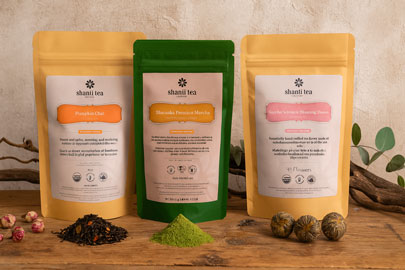
Discover White Peony Tea (Bai Mu Dan) and the enchanting Sunrise Serenade Blooming Flower Tea, both offering an elegant and soothing tea experience.
3. Yellow Tea (黄茶 | Huángchá)

History & Characteristics
Yellow tea is rare and prized, sharing a process similar to green tea but with a slower drying phase that gives it a golden hue and mellower taste. Once reserved for imperial courts, it offers smooth, honey-like notes.
Health Benefits
- Gentle on digestion, ideal for sensitive stomachs
- Combines antioxidant properties of green and white teas
- Supports liver function and detoxification
Cultural Note
Yellow tea is less known outside China, but it remains a symbol of refinement and subtle luxury.
4. Oolong Tea (乌龙茶 | Wūlóngchá)

History & Characteristics
Oolong tea is partially oxidized, placing it between green and red tea. It originated in the Fujian and Guangdong provinces, combining floral aroma with complex depth. Each leaf is rolled and roasted to perfection, revealing layers of flavor.
Health Benefits
- Supports fat metabolism and weight management
- Promotes heart and brain health
- Enhances alertness without the jitters of coffee
Fun Fact
Traditional Gongfu-style tea ceremonies often highlight Oolong teas, showcasing their evolving aromas through multiple infusions.
5. Red Tea (红茶 | Hóngchá) — Known in the West as Black Tea

History & Characteristics
Red tea, fully oxidized, is known for its rich flavor and dark color. It became the first Chinese tea exported to Europe in the 17th century, quickly gaining global popularity. Famous varieties include Keemun, Yunnan Dianhong, and Lapsang Souchong.
Health Benefits
- Energizing due to higher caffeine content
- Supports digestive health
- May improve circulation and focus
Available in our collection
Our Pumpkin Chai Tea, made with black tea, celebrates this tradition — blending robust Chinese tea leaves with comforting, autumn-inspired spices.
6. Dark Tea (黑茶 | Hēichá)

History & Characteristics
Dark tea is post-fermented, meaning it continues to age and develop complex flavors over time. Originating from Yunnan province, Pu-erh tea is the most famous dark tea, often compressed into cakes or bricks. Some varieties age for decades, prized by collectors.
Health Benefits
- Aids digestion and supports gut microbiome
- May reduce cholesterol and blood sugar levels
- Known for grounding, earthy energy
