

Ceremonial vs Culinary Matcha: What’s the Real Difference?

Matcha is everywhere in Canada—lattes, smoothies, desserts and, of course, traditional tea bowls. But not all matcha is the same. If you have ever wondered whether you need ceremonial grade or culinary grade matcha, this guide is for you.
Below, you will learn the key differences between ceremonial and culinary matcha, how each grade is used, and how to choose the right one for your daily tea, lattes, or recipes.
What Is Ceremonial Matcha?
Ceremonial matcha is the highest grade of matcha and is designed to be enjoyed on its own with hot water. It is traditionally used in Japanese tea ceremonies and focuses on flavour, colour, and aroma.
- Flavour: Naturally sweet, smooth, and low in bitterness.
- Colour: Bright, vibrant jade green.
- Texture: Ultra-fine powder that whisks easily.
- Leaves used: Youngest, first-harvest tea leaves.
- Best for: Traditional whisked matcha and high-end matcha lattes.
If you want to experience matcha the traditional way (whisked with hot water), try a true ceremonial option like Kato Matcha Summer Harvest – Ceremonial Grade by Genuine Tea.
Because ceremonial matcha is delicate and refined, using it in baking or high-heat recipes can hide its complexity and make it a less efficient choice for your budget.
What Is Culinary Matcha?
Culinary matcha is crafted specifically for recipes where matcha is one ingredient among many. It is ideal for lattes, desserts, baking, and smoothies, where the flavour needs to stand out.
- Flavour: Stronger and slightly more bitter, designed to shine through other ingredients.
- Colour: Still green and vibrant, sometimes deeper and earthier than ceremonial matcha.
- Texture: Fine powder suitable for mixing into liquids and batters.
- Leaves used: Often older leaves or later harvests.
- Best for: Lattes, baking, desserts, smoothies, and savoury dishes.
A good culinary matcha should still be smooth, flavourful, and pleasantly green—not dull, brownish, or harshly bitter.
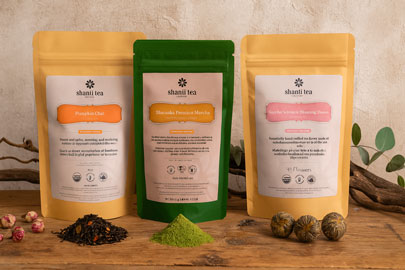
An example of a high-quality culinary matcha is Shizuoka Premium Matcha, an organic matcha powder that works beautifully in lattes, smoothies, and recipes.
Ceremonial vs Culinary Matcha: Key Differences
Both grades come from the same plant, but they are processed and selected differently. Here are the main differences between ceremonial and culinary matcha.
1. Flavour Profile
Ceremonial matcha is smooth, naturally sweet, and low in bitterness, making it ideal for drinking straight. Culinary matcha has a stronger, more pronounced flavour that holds up well when mixed with milk, sugar, or other ingredients.
2. Intended Use
Ceremonial grade: Best for traditional whisked matcha with hot water, or very simple preparations where matcha is the star (like Kato Matcha Summer Harvest – Ceremonial Grade).
Culinary grade: Best for:
- Matcha lattes (hot or iced)
- Baking (cookies, cakes, brownies, loafs)
- Desserts like cheesecake, ice cream, or panna cotta
- Smoothies and shakes
- Savoury recipes such as dressings or marinades
3. Colour
High-quality ceremonial matcha is often a bright, almost neon green. Culinary matcha is usually a deeper, earthy green but should still be vibrant. Very yellow or brown powders are often signs of lower quality or oxidation.
4. Price
Ceremonial matcha is typically more expensive because it uses the youngest leaves and often involves more careful processing, such as hand-picking and slower grinding. Culinary matcha is more affordable and better suited for everyday recipes and frequent use.
5. Harvest and Processing
Ceremonial matcha usually comes from the first harvest of the year and may have stems and veins carefully removed. Culinary matcha often uses later harvests and may be processed in a way that prioritizes strength of flavour over extreme delicacy.
Which Grade of Matcha Should You Choose?
Your choice depends on how you plan to use matcha in your daily routine.
Choose Ceremonial Matcha If You:
- Enjoy drinking matcha straight with hot water.
- Want the smoothest, most delicate flavour possible.
- Appreciate traditional tea ceremony style preparation.
If that sounds like you, Kato Matcha Summer Harvest – Ceremonial Grade by Genuine Tea is a great fit for classic whisked matcha.
Choose Culinary Matcha If You:
- Make matcha lattes regularly.
- Love baking or creating desserts with matcha.
- Want strong matcha flavour that stands out in recipes.
- Are looking for the best quality-to-price ratio for daily use.
If you primarily drink lattes, smoothies, or use matcha in baking, culinary grade is usually the most practical and flavourful choice. For example, Shizuoka Premium Matcha – Organic 100 g is a versatile culinary matcha that works wonderfully in both drinks and recipes.
How to Tell If Matcha Is Good Quality
Whether you choose ceremonial or culinary matcha, a few simple checks can help you identify a quality product.
- Colour: Look for a fresh, green colour rather than dull yellow or brown.
- Aroma: Good matcha smells grassy, fresh, and slightly sweet.
- Texture: The powder should feel fine and silky, not coarse or sandy.
- Taste: Even culinary matcha should not be harsh or unpleasant. A little bitterness is normal, but it should be balanced.
- Origin and details: Information about the region, harvest, and whether it is organic are all positive signs.
Storing matcha correctly also helps preserve quality. Keep it in an airtight container in a cool, dark place, and avoid exposing it to light, heat, or moisture.
Can You Use Culinary Matcha for Lattes?
Yes, you can—and many people prefer it. Culinary matcha is excellent for matcha lattes because its stronger flavour holds up well against milk, ice, and sweeteners.
A high-quality culinary matcha like our Shizuoka Premium Matcha is ideal for:
- Iced matcha lattes with or without sweetener.
- Classic hot matcha lattes.
- Matcha smoothies with fruit or yogurt.
- Matcha baked goods such as cookies, cakes, or loafs.
- Creative recipes like matcha cheesecake or matcha pancakes.
Conclusion: Ceremonial vs Culinary Matcha
Both ceremonial and culinary matcha are valuable, but they serve different purposes:
- Ceremonial matcha: Best enjoyed straight, prepared with hot water for a traditional and refined experience.
- Culinary matcha: Best for lattes, baking, and everyday recipes where matcha is mixed with other ingredients.
If you want to drink matcha the traditional way (straight with water), explore our ceremonial option: Kato Matcha Summer Harvest – Ceremonial Grade by Genuine Tea.
If you are looking for a versatile, organic matcha powder that works perfectly in lattes and recipes, consider trying our Shizuoka Premium Matcha. It is a reliable culinary-grade matcha that delivers great flavour, vibrant colour, and excellent value for daily use.
Want more details about matcha?
